
COP27 Side Event Highlights Growing China–Africa Cooperation on Renewable Energy

Charting Tanzania’s Blue Economy Future Through Climate Finance and Collaboration
May 19, 2021Title: Principal, Deadline: 30th November, 2023
September 12, 2023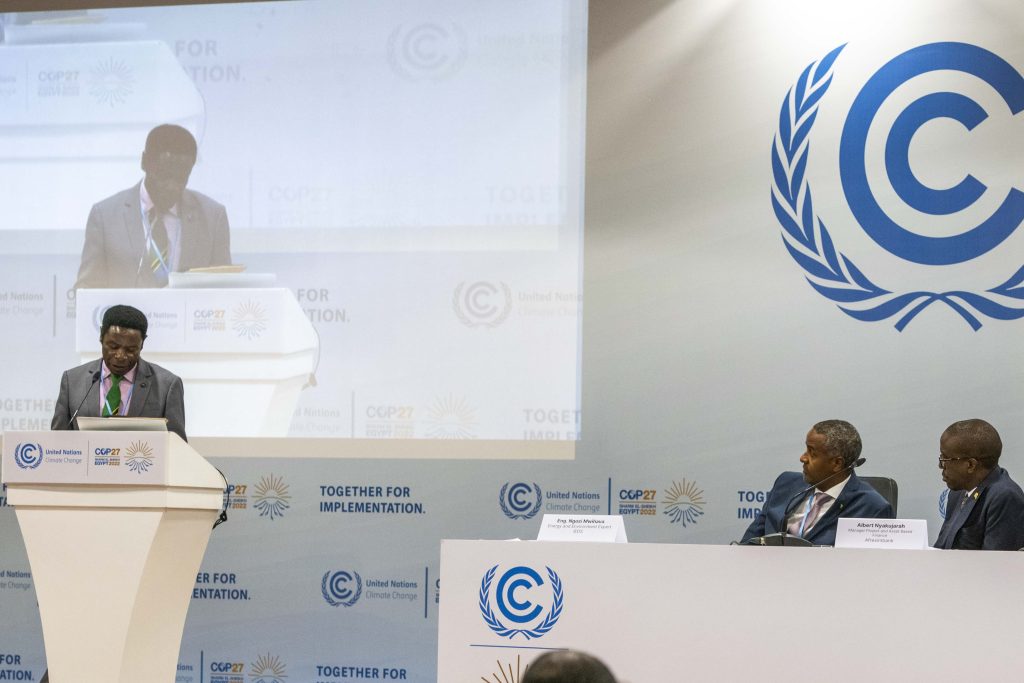
Sharm El-Sheikh, Egypt – November 2022
by IECDS
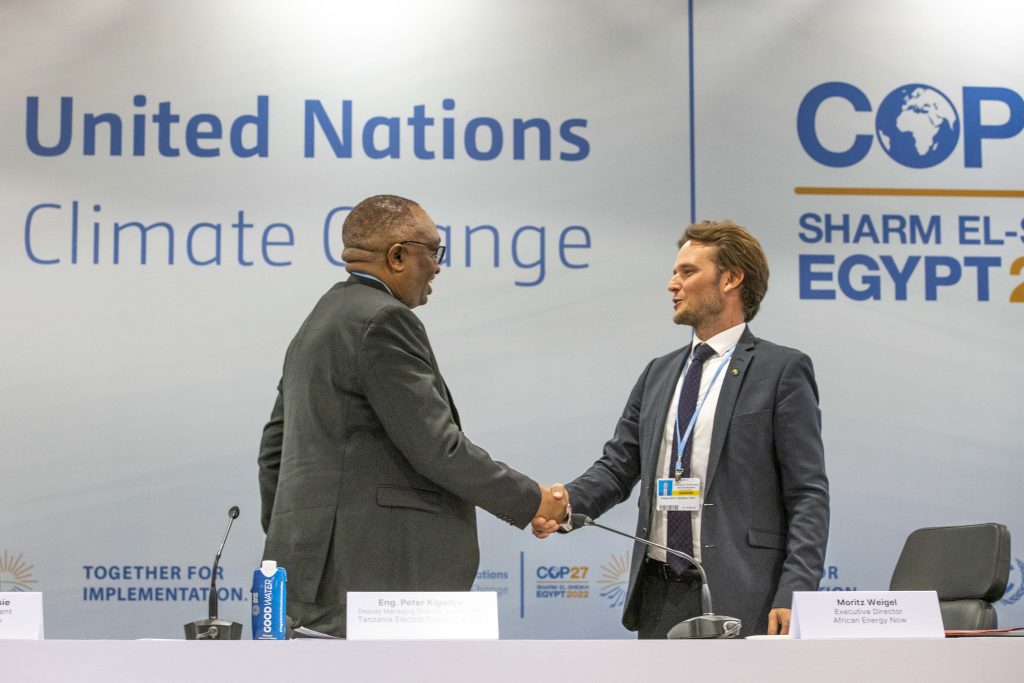
As the world gathered in Sharm El-Sheikh for the 27th Conference of the Parties (COP27), one of the key discussions focused on accelerating renewable energy deployment across Africa through strengthened international partnerships. A side event on China–Africa Cooperation on Renewable Energy, co-hosted by the Institute for Environment and Development Sustainability (IEDS), the China Renewable Energy Industries Association (CREIA), and African Energy Now, brought together policymakers, researchers, development practitioners, investors, and private sector representatives to explore opportunities for advancing the continent’s clean energy transition.
The event underscored the growing importance of renewable energy in addressing Africa’s energy access challenges while contributing to global climate goals. Participants emphasized that Africa possesses abundant renewable energy resources, including solar, wind, hydropower, and geothermal energy, yet millions of people across the continent still lack access to reliable electricity.
Speakers highlighted China’s remarkable achievements in renewable energy development over the past two decades and discussed how these experiences could support Africa’s sustainable development agenda. China’s advancements in solar photovoltaic manufacturing, wind power technologies, battery storage systems, and clean energy financing were presented as valuable opportunities for knowledge exchange and technology transfer.
The discussion focused on several key areas of cooperation, including investment in renewable energy infrastructure, capacity building, technology transfer, and the development of local manufacturing capabilities. Participants noted that stronger collaboration could help reduce the cost of renewable energy technologies while creating employment opportunities and promoting industrial development across African countries.
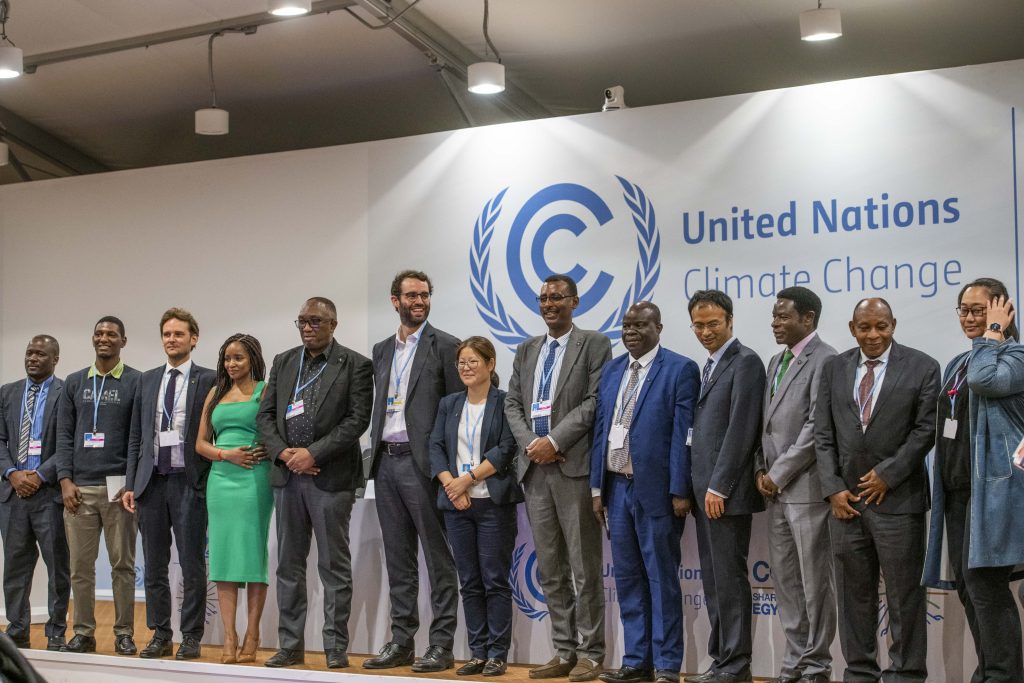
Representatives from African institutions stressed the need for partnerships that go beyond infrastructure financing to include skills development, research collaboration, and local value addition. They emphasized that Africa’s energy transition must be inclusive, ensuring that communities benefit economically from renewable energy investments.
The side event also examined the role of renewable energy in supporting climate resilience and sustainable economic growth. Access to clean energy was identified as a critical enabler for agricultural productivity, industrialization, healthcare delivery, education, and digital transformation.
Participants called for increased collaboration between governments, financial institutions, research organizations, and the private sector to accelerate renewable energy deployment. They highlighted the importance of innovative financing mechanisms, supportive policy frameworks, and regional cooperation in attracting investment into renewable energy projects.
As COP27 was widely regarded as the “African COP,” the event reinforced the continent’s commitment to pursuing low-carbon development pathways while addressing pressing development needs. The discussions demonstrated that China–Africa renewable energy cooperation has the potential to play a significant role in advancing energy access, promoting sustainable development, and contributing to global climate action.
The side event concluded with a shared recognition that strengthening partnerships between China and Africa will be essential for achieving a just and inclusive energy transition. By combining technological innovation, investment, and local expertise, both regions can contribute meaningfully to building a more sustainable and climate-resilient future.


